A Brief History
Key moments in the UK response to alcohol and drug use
Policy from the earliest government involvement has continuously fluctuated between deregulation, aimed at increasing taxes, employment and popularity, and regulation aimed at reducing social problems and harms to health.
The Licensing Act of 1495 is widely considered the earliest substance misuse legislation - it gave local Justices of the Peace the power to shut down local alehouses if they were causing social disorder or attracting "vagabonds". The 1552 Alehouses Act established the roots of the modern British licensing system - it mandated that anyone wanting to run an alehouse had to apply for a formal licence. The Drunkenness Act 1606, formally titled "An Act for repressing the odious and loathsome Sin of drunkenness" was significant in that it shifted the focus of the law from the property owner to the individual consumer.
-
![A person in a red coat walking on a wet sandy beach with calm water and mountains in the background under cloudy skies.]()
Medieval Drinking Habits of the General Population
People of all ages, including children, drank weak ale with 1% to 3% alcohol content from morning until night. Brewing killed harmful bacteria in the water and the alcohol provided cheap nutrition.
-
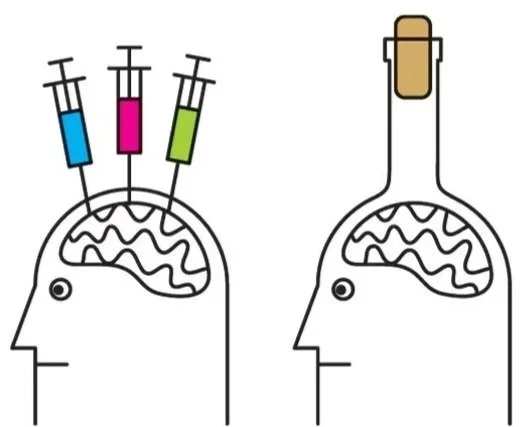
![A line drawing illustrating a human head with a brain, with syringes filled with colorful liquids representing injection into the brain. The syringes are colored blue, pink, and green. To the right, an outline of a bottle with a cork is depicted, connected to the head by a wire.]()
The "Gin Craze" (1690) and The Gin Acts (1729–1751)
The government banned imports of spirits. The aim was to boost English agricultural revenues through domestic grain distillation, but it had the unintended consequence of fuelling urban alcoholism.
-
![Multiple white and black seabirds, including adult and fledgling gannets, resting on rocks near water.]()
Rise of the Temperance Movement (1830s–1880s)
Campaigners blamed alcohol consumption for poverty, crime, and family neglect. They promoted teetotalism and established coffee houses, cocoa rooms, temperance hotels, and youth activities.
-
![victorian apothecary]()
Apothecary Regulation and The Pharmacy Act 1868
For centuries drugs like opium and cannabis were sold openly by apothecaries, who were the doctors and pharmaceutical businesses of the day. In the late 18th century they evolved into pharmacists.
-
![WW1 poppy field]()
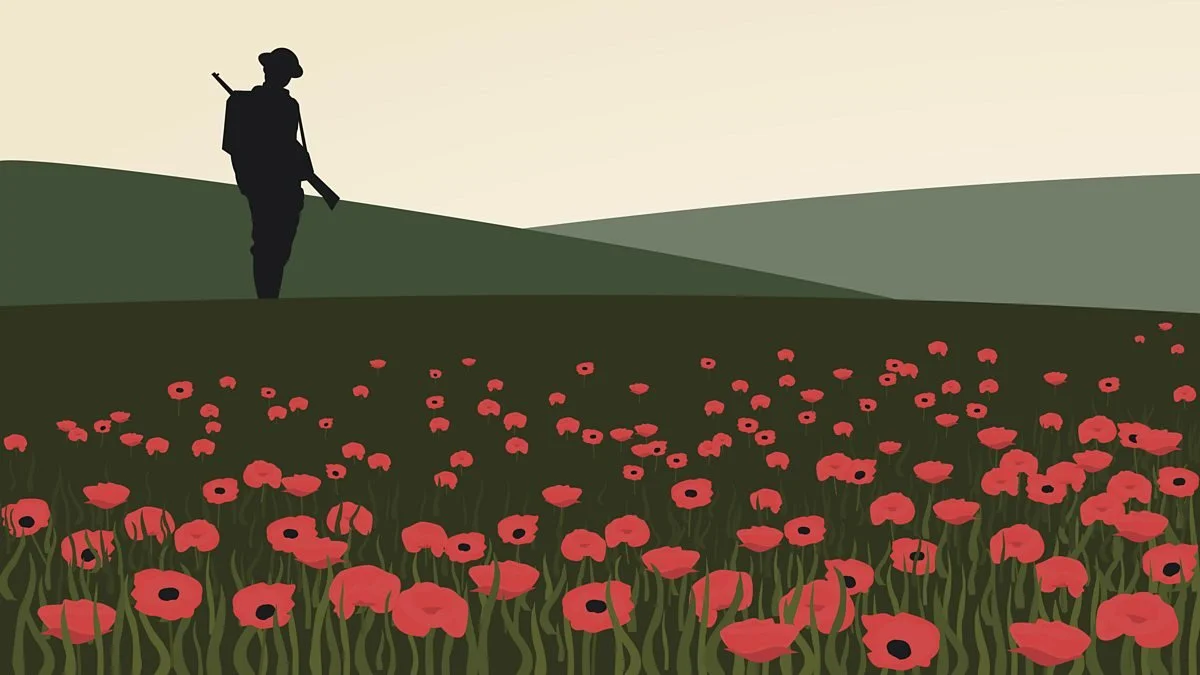
The Defence of the Realm Act (alcohol 1914 & drugs 1916)
Drunken munitions workers were a risk to safety and to the war effort. So pub opening hours were drastically reduced. The wartime rules became peacetime law, and in 1923, the legal drinking age was set at 18.
-
![A wooden gate at the entrance of a lush, green forest with trees and grass, surrounded by rocks.]()
Rolleston Committee (1926) and the 'British System'
Addiction was established as a medical condition. Doctors could prescribe heroin or morphine with the aim of keeping users stable and healthy, and preventing the creation of an illicit market.
-
![Book cover titled "The Disease Concept of Alcoholism" by E. M. Jellinek. The cover features a black and white image of Jesus Christ with outstretched arms, damaged and worn.]()
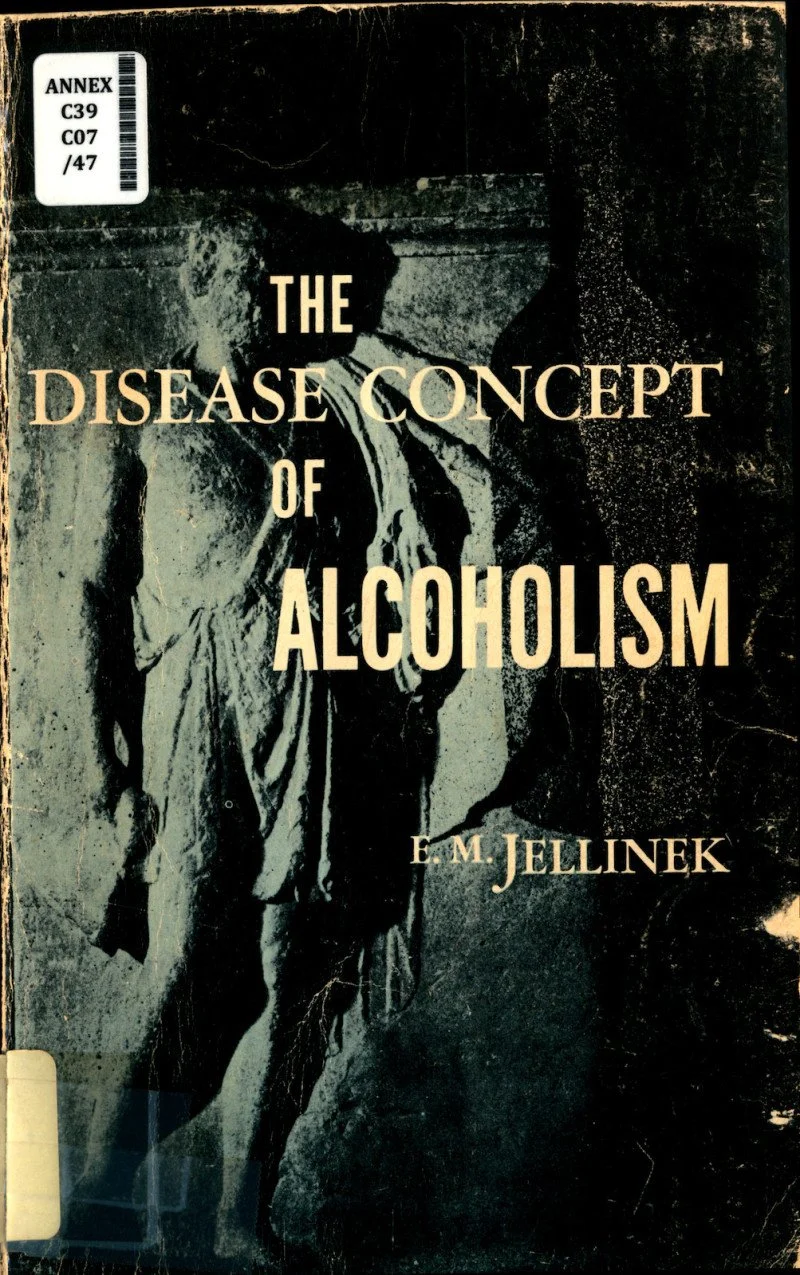
Jellinek : The Disease Concept of Alcoholism (published 1960)
Jellinek was a biostatistician who framed alcoholism, like heroin addiction, as a disease rather than a moral failing. He described types of alcohol misuse and established abstinence as the treatment.
-
![Warlingham Park hospital]()
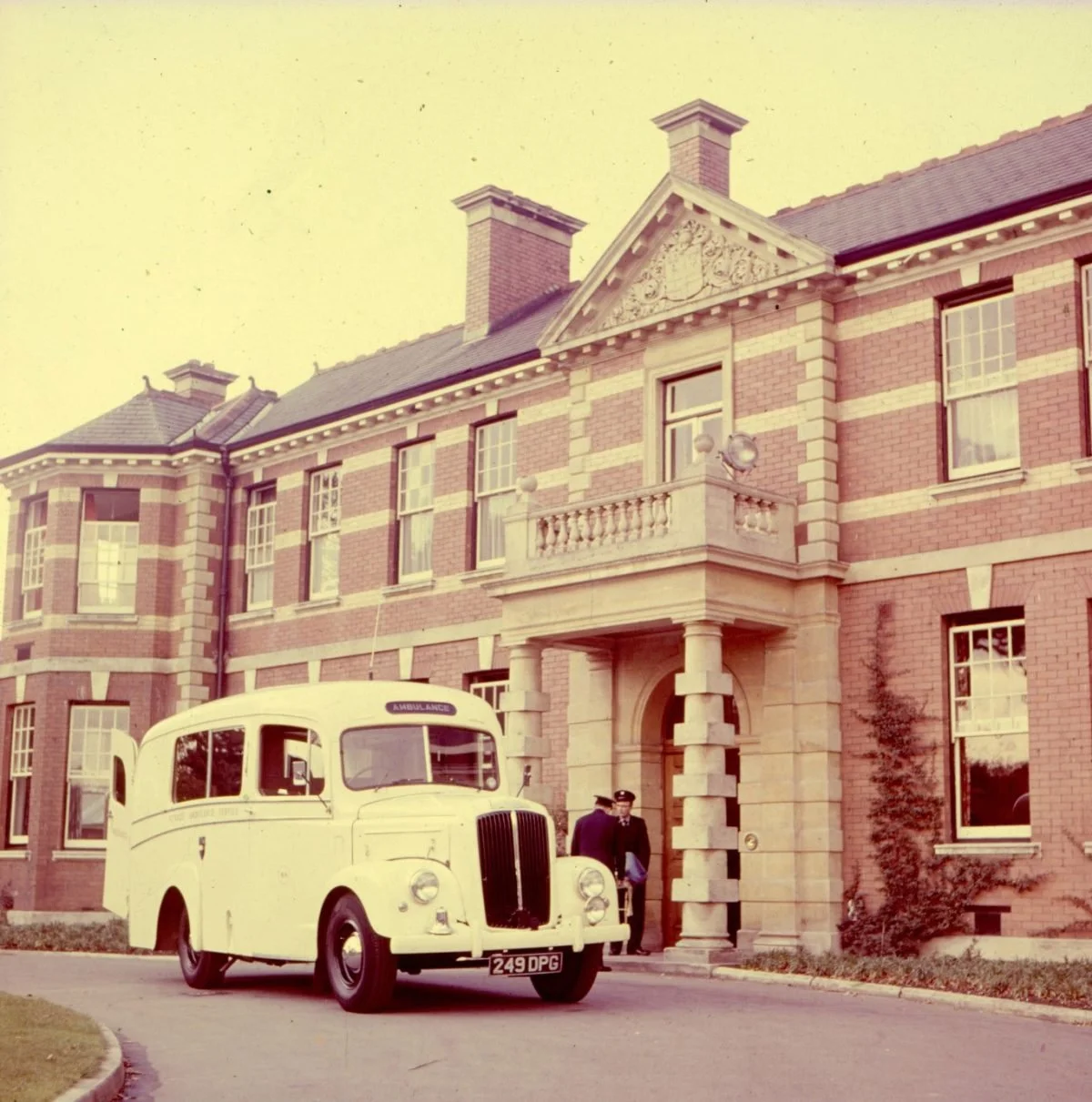
The First Alcohol Treatment Unit, ATU (1951)
Max Glatt was a Consultant Psychiatrist at Warlingham Park Hospital who became synonymous with the ATU approach: an in-patient programme, including AA, later rolled out across the NHS.
-
![Springfield Mount LAU]()
Community and Psycho-social approaches (1970s-now)
The disease concept of addiction implied a disorder that was irreversible. This was not supported by research and community based treatments, including harm reduction, became the norm.



Medieval Drinking Habits of the General Population
In medieval Europe, drinking was an ordinary and important part of daily life. Water was often unsafe, particularly in crowded towns, so people commonly drank ale, beer, cider, or wine instead. These drinks were typically 1-2% abv, what we would call low alcohol drinks now, and could provide calories as well as hydration. Ale was especially common in northern Europe, while wine was more popular in southern regions. Wealthier households drank spiced or sweetened wines, whereas poorer people generally consumed locally produced ale. Alcohol was central to social and religious life. Drinking accompanied feasts, weddings, festivals, and political gatherings. Monasteries frequently produced their own beer or wine, and some religious communities used alcohol medicinally. Nevertheless, excessive drunkenness was criticised by priests, moral writers, and lawmakers. Sermons warned that drunkenness encouraged violence, sexual misconduct, and other sins, while local authorities sometimes attempted to regulate taverns and public disorder.
Medieval people used a wide range of drugs, although the word “drug” had a broader meaning than it does today. Herbs, spices, minerals, and animal products were used to treat illness, relieve pain, induce sleep, or alter consciousness. Common substances included opium, cannabis, henbane, mandrake, and poppy preparations. Some were imported from distant regions and were expensive, making them available mainly to the rich.
These substances could be dangerous. Medieval medical knowledge lacked modern understanding of dosage, toxicity, and interactions. A remedy that eased pain might also cause confusion, addiction, or fatal poisoning. Some plants, particularly mandrake and henbane, contained powerful chemicals that could produce hallucinations or unconsciousness. Their use required experience, and mistakes were not uncommon.
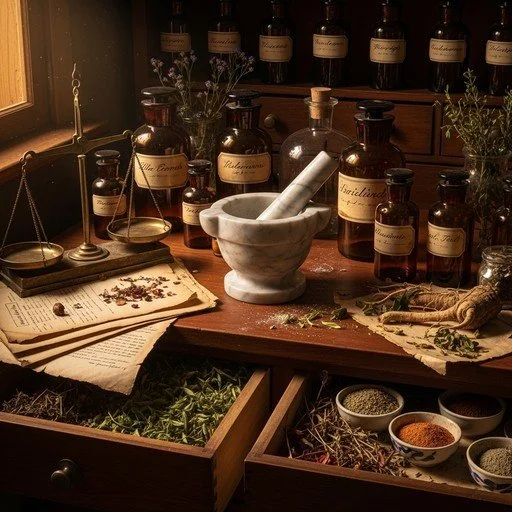
Apothecaries played an increasingly important role in preparing and selling medicines. They stocked dried herbs, roots, powders, syrups, oils, ointments, and cordials. Many learned their trade through apprenticeships and followed recipes drawn from medical texts, including works influenced by Greek, Roman, Arabic, and Persian scholars. Apothecaries sometimes worked closely with physicians, who diagnosed illnesses and prescribed treatments, while the apothecary made up and supplied them.
Watch this YouTube video ►
Historian Dr Eleanor Janega explores the origins of the English pub and dispels the many myths surrounding the drinking habits of the people who drank here centuries ago. (33 minutes)
What came next?
Until the early eighteenth century unregulated use of drink and drugs was accepted as the norm albeit related bad behaviour was frowned upon. It took a massive public health problem, the Gin Craze, for regulation to be imposed on the public.
The "Gin Craze" (1690) and The Gin Acts (1729–1751)
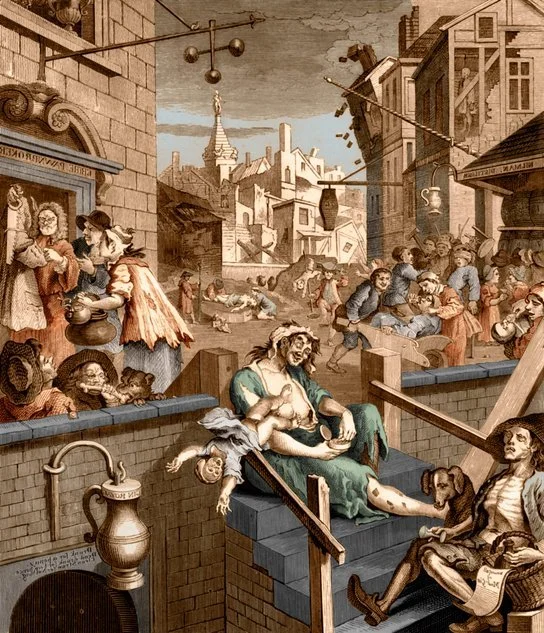
The Gin Craze was a major social, economic, and public health crisis that gripped London during the first half of the 18th century. The epidemic began around 1689 when the British government banned French wine imports and deregulated domestic spirit production to support local grain farmers. Cheap, low-quality gin rapidly flooded the market. Unlike beer, which was safe but low-alcohol, gin provided a rapid, inexpensive escape from the brutal realities of poverty, overcrowding, and disease in urban slums. By the 1730s, Londoners consumed an estimated 11 million gallons of gin annually, earning the spirit the nickname "Mother's Ruin."
The crisis caused severe demographic and social devastation across the capital. Crime rates soared, public drunkenness became endemic, and the city’s death rate outpaced its birth rate, causing London's population to decline. The crisis particularly impacted women, leading to widespread child neglect and a dramatic rise in infant mortality. This societal breakdown was famously captured in William Hogarth’s 1751 print Gin Lane, which depicted a dystopian landscape of starvation, madness, and death, contrasted with the prosperous and orderly Beer Street.
The British government struggled for decades to control the epidemic, primarily because gin production generated significant tax revenue and grain profits. The crisis finally subsided with the Gin Act 1751. This legislation forced distillers to sell only to licensed, respectable public houses. Simultaneously, a series of severe grain shortages drove up the cost of production, making gin a luxury rather than a cheap escape.
Watch this YouTube video ►
Dr Kate Lister explores drugs, alcohol and celebrities of the Georgian age, the impact of gin in the 18th century and how the gin craze was ended after 50 years. (44 minutes)
What came next?
History repeats itself. The modern opioid and substance use epidemics heavily impact regions suffering from de-industrialisation, poverty, and a lack of economic opportunity. Deregulation of pharmaceutical marketing and the aggressive promotion of prescription painkillers like OxyContin, notably in the United States, have similarly contributed to addiction as a public health problem. Such was the impact of the Gin Craze that the immediate reaction was a call for a War on Alcohol & Drugs.
Rise of the Temperance Movement (1830s–1880s)
The temperance movement of the 19th century was a powerful and influential social reform movement in the Western world, transforming the cultural, political, and religious landscapes of the United Kingdom and the United States. Driven by the devastating social costs of industrialisation and urbanisation, the movement sought to reduce—and eventually eliminate—the consumption of alcoholic beverages.
In the early 1800s, spirits like whiskey and gin were cheap, potent, and consumed in massive quantities. Reformers argued that widespread drunkenness was the root cause of domestic violence, poverty, crime, and industrial inefficiency. Initially, the movement advocated for "temperance", meaning moderation in drinking and abstinence only from hard liquor, while allowing beer and wine. However, by the 1830s, the movement shifted toward "teetotalism," which demanded total abstinence from all intoxicating substances.
The Temperance Movement created alcohol-free social hubs to counter pubs. Coffee houses and cocoa rooms offered cheap, warm alternatives to working-class bars. Temperance hotels provided dry lodging for travellers. For young people, groups like the Bands of Hope organised alcohol-free sports, pageants, and educational activities to instil lifelong sobriety.
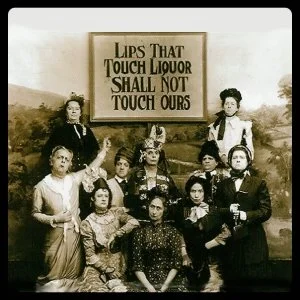
The movement was deeply intertwined with religion and women's rights. Christian organisations viewed sobriety as a moral and spiritual duty, framing the tavern as a direct rival to the church. For women, who lacked legal rights and economic independence, a husband’s alcoholism often meant financial ruin and physical abuse. Consequently, women became the driving force behind organisations like the Woman’s Christian Temperance Union in the United States and the British Women’s Temperance Association. Activists successfully pressured governments to pass local laws, allowing towns and counties to ban alcohol sales.
Watch this YouTube video ►
Most people think Prohibition was brought about by religious moralists leading the Temperance Movement, but, in the United States, the story involves a tax revolution and an unlikely alliance of feminists, progressives, industrialists, eugenicists, and the Ku Klux Klan. (29 minutes)
What came next?
The Temperance Movement laid the groundwork for the legislative battles of the early 20th century, which ultimately culminated in national prohibition in the United States and strict licensing laws in Great Britain.
Apothecary Regulation and The Pharmacy Act 1868
In medieval times the apothecary was a medical practitioner who made up and dispensed remedies from herbs and spices. For centuries, apothecaries operated without regulation - commonly they were monks or healers or even tradespeople, often belonging to grocers' guilds, and selling drugs from an attractive shopfront, catering to other medical practitioners and to lay customers walking in from the street.
The Royal Charter of the Worshipful Society of Apothecaries in 1617 began a separation of the trading and the dispensing roles. Over the next two centuries, apothecaries increasingly acted as general practitioners for the poor, diagnosing illnesses and prescribing treatments. The Apothecaries Act 1815 began the formal regulation of the medical profession: students had to study anatomy, botany, chemistry, materia medica (pharmacology), and "psychic" medicine, plus complete six months of practical hospital experience.
As apothecaries evolved into medical doctors, a distinct need arose for specialists focused solely on the safe compounding and dispensing of medicines. This led to the emergence of the modern pharmacist and in 1841 the Pharmaceutical Society of Great Britain was founded. The subsequent Pharmacy Act 1868 legally restricted the sale of specific poisons to qualified pharmacists, cementing their role as trusted, scientifically trained gatekeepers of public health.
Simultaneously, the late 19th century witnessed the birth of the pharmaceutical industry. Industrialisation, coupled with developments in synthetic chemistry, shifted drug production from small-scale apothecary shops to large factories. Instead of individual pharmacists compounding raw botanical ingredients by hand, companies began mass-producing standardised, chemically pure medicines.
Watch this YouTube video ►
Gaz Oakley talks about the herbs that he keeps at his home herbal apothecary for their medicinal powers. (23mins)
What came next?
The early apothecaries became regulated as medical practitioners and pharmacists as we know them today and laid down the groundwork for the global pharmaceutical industry which flourished from the early twentieth century.
The Defence of the Realm Act (alcohol 1914 & drugs 1916)
The Defence of the Realm Act 1914 (DORA) was an emergency statute passed by the British Parliament four days after entering World War I. Designed to "secure public safety" and support the war effort, DORA granted the executive branch unprecedented powers to regulate civilian life without traditional legislative debate. Over the course of the war, the Act was amended six times, expanding from a basic framework into an all-encompassing system of social, economic, and behavioural control.
DORA’s immediate intervention transformed British daily habits, most famously regarding alcohol consumption. Alarmed that drunkenness was sabotaging munitions factory and shipyard productivity, the government introduced severe restrictions. Pub opening hours were strictly limited to lunchtimes and early evenings, breaking the tradition of all-day drinking. Spirits were heavily taxed, beer was legally watered down, and it was made a criminal offence to buy a round of drinks for anyone else. Beyond alcohol, DORA instituted press and mail censorship, outlawed industrial strikes, introduced British Summer Time to maximise daylight working hours, and even criminalised mundane acts like flying kites or feeding wild animals bread.
Watch this YouTube video ►
The German raid on Scarborough on 16 December 1914 had far reaching consequences for the civil population. Prof Peter Doyle looks at how the raid radically changed Britain's home front - from recruitment to rationing and regulation of alcohol and drugs. (43mins)
What came next?
DORA served as the legislative blueprint for subsequent 20th and 21st-century emergency frameworks, such as the Coronavirus Act 2020, which severely controlled public behaviour. While designed as temporary emergency legislation, the licensing laws remain, albeit with variable degrees of restriction, over the decades.
Rolleston Committee (1926) and the 'British System'
The so-called "British System" is an historically distinct approach to addiction management that prioritised public health and medical supervision over criminalisation. Established in 1926 following the Rolleston Committee Report, the system defined drug addiction as a medical condition rather than a criminal offence or moral failing. Under this framework, doctors were legally permitted to prescribe regulated maintenance doses of opioids, including heroin and morphine, to individuals dependent on drugs. This approach aimed to help patients lead stable lives while minimising the harms associated with the illicit drug market, such as poisoning, crime and disease transmission.
For several decades, the system successfully maintained low rates of addiction and drug-related crime across the United Kingdom. However, societal shifts in the 1960s challenged its sustainability. A rise in recreational drug use and instances of a few doctors overprescribing opioids led to increased scrutiny. In response, the government reformed the system via the Dangerous Drugs Act 1967. This legislation shifted the authority to prescribe diamorphine (medical heroin) for addiction from general practitioners to specialised, state-run drug clinics. The Addicts Index was first established in 1934 to allow doctors to notify the Home Office of drug users. In 1968 it became compulsory for doctors to register heroin and cocaine addicts who they were treating; the register was discontinued in 1996.
By the mid to late 20th century a Home Office licence was required to prescribe heroin or cocaine. On a rising tide of opiate use and the emergence of HIV and AIDS, any doctor could prescribe other substitutes to addicts. Methadone was the primary substitution therapy and later buprenorphine was introduced as a better treatment option. The prescription of injectable heroin or methadone became rare.
Watch this YouTube video ►
This documentary produced by VICE is somewhat extreme in claiming an increase in drug deaths was all down to a shift in policy to an abstinence orientation. There could be several reasons for the increase, however, it illustrates the divisive nature of extreme positions when the evident way forward is to have a flexible approach. (10mins)
What came next?
Stakeholders tend to hold polarised views: on the one hand opioid substitution therapy has proven efficacy, but, on the other hand, so does abstinence. Whether the goal of treatment should simply be a choice is debatable but perhaps the determining factor will be the affordability of the rising numbers of people on maintenance prescriptions.
Jellinek : The Disease Concept of Alcoholism (published 1960)
In 1960, physician and researcher E. M. Jellinek revolutionised the approach to problem drinking and dependence with his seminal book, The Disease Concept of Alcoholism. Jellinek argued that ‘alcoholism’ was not caused by a moral failing, weak will, or spiritual defect, but, rather a progressive medical disease. He classified alcoholism into distinct subtypes: Alpha - escape drinking without loss of control; Beta - social drinking with physical health complications; Gamma - begins with psychological dependence, then tolerance grows, physical dependence appears, control is lost and binge drinking sets in; Delta - daily drinking without intoxication; Epsilon - periods of complete abstinence broken by violent binges lasting days to weeks. While Rolleston established opioid dependence as a medical condition, Jellinek’s The Disease Concept of Alcoholism had a profound effect because it described the wide variety of manifestations of dependence and problem use, and explained their development.
Jellinek mapped ‘alcoholism’ through a predictable sequence of stages: the symptomatic phase, the prodromal phase, the crucial phase, and finally, the chronic phase, which resulted in total physical and mental breakdown if left untreated. The disease model had important implications for clinical practice. First, it completely reframed the therapeutic environment: because alcoholism was seen as a medical condition, it systematically reduced the social stigma associated with the disorder. This encouraged individuals to seek help earlier, transforming the patient from a social outcast into a person deserving of medical empathy and care.
Second, the model established a clear framework for clinical interventions. Since Jellinek posited that the disease was progressive and biologically driven, the primary goal of treatment shifted toward lifelong abstinence. This provided the theoretical foundation for traditional 12-step programmes, like Alcoholics Anonymous, and shaped the structure of modern inpatient rehabilitation clinics, which emphasise detoxification, structured therapy, and peer support networks. However, the rigid nature of Jellinek’s concept also created challenges for contemporary practice. By framing alcoholism as all-or-nothing, it struggled to accommodate individuals with milder, non-progressive drinking problems.
Watch this YouTube video ►
This workshop presented by Harry Mullan is part of a series of workshops by the Chemical Recovery Fellowship. There are spiritual overtones but a good account of Jellinek and his work. (52mins)
What came next?
Jellinek’s disease concept remains a crucial milestone that anchored addiction treatment within the realm of medicine and public health. However, the evidence did not altogether support the disease concept even though many of the implications hold true. Current criteria consider alcohol or drug dependence to exist along a continuum with treatment options other than abstinence.
The First Alcohol Treatment Unit, ATU (1951)
Dr Max Glatt was a German-born psychiatrist and Holocaust survivor, who came to the UK and dedicated his career to de-stigmatising addiction as a treatable disease. He was developing his ideas at a similar time to Jellinek with whom he became acquainted. In 1952, he established the first residential alcohol detoxification and rehabilitation unit in the National Health Service (NHS) at Warlingham Park Hospital in Surrey, followed in 1958 by a unit at St Bernard's Hospital in Ealing.
The Alcohol Treatment Units or ATUs, as they were known, introduced two key elements to the treatment package: i) The Therapeutic Community created a structured, 12-week inpatient programme based on peer groups, communal living, and mutual accountability. Patients worked together to unpack the roots of their dependence and learn how to navigate a life of sobriety; ii) Integration with Alcoholics Anonymous (AA) was important because it was recognised that detoxification was insufficient on its own and AA ensured patients had an active, community-based support network waiting for them upon discharge.
During this time, Glatt also formulated his famous Alcohol Addiction and Recovery Chart (1954), which added an upward recovery trajectory to Jellinek's linear model of alcoholic decline. Over time, this V-shaped graphic mistakenly became universally known as the Jellinek Curve.
The ATUs directly influenced a landmark 1962 Ministry of Health report that officially mandated the establishment of regional, specialised NHS alcoholic units across the UK. This systematically shifted addiction out of general psychiatric asylum wards and into dedicated medical specialties. Impressive success rates over a two-year follow-up period established the precedent that addiction treatment must be measured by long-term, sustained recovery journeys rather than just immediate, short-term detoxification.
Watch this YouTube video ►
Dr Simon Wiseman presents a talk at the Jewish Historical Society: The life and times of Dr Max Glatt. He references the Jewish context and the implications of setting up Alcohol Treatment Units. (47mins)
What came next?
Once the idea of standardising treatment in specialist units was established there was a mushrooming of interest in effective interventions and treatment outcomes. It became clear that, depending on the severity of the addiction, good outcomes could be achieved with less intensive and community based treatment.
Community and Psycho-social approaches (1970s-now)
In the 1970s there was a growing interest in alcohol problems and, notably, local Councils on Alcohol providing information and counselling started to work alongside the Alcohol Treatment Units. The 1978 report The Pattern and Range of Services for Problem Drinkers proposed the further development of community services which were widely established during the 1980’s. They were generally good at supporting long-term recovery, allowed individuals to maintain employment, housing, and family support systems while building practical coping strategies within their actual everyday environments. They were cost-effective, scalable, and sustainable, making them well suited to a variety of interventions including harm reduction. Community services did not replace hospital care for managing acute crises, providing immediate stabilisation, and intensive medically managed detoxification for high-risk patients.
Commissioning of services was introduced; guidance and oversight shifted to the National Treatment Agency for Substance Misuse set up by Prime Minister Tony Blair, with an emphasis on the reduction of crime. During the 1980’s, and heavily influenced by the AIDS epidemic, the focus shifted towards drug misuse treatment to prevent the spread of AIDS; interest in alcohol treatment diminished.
Under the Health and Social Care Act 2013, Public Health was moved into Local Authorities who then began commissioning all addiction services. The UK Medical Royal Colleges, most notably the Royal College of Psychiatrists and the Royal College of General Practitioners, expressed serious concern and argued that separating addiction treatment from established NHS care pathways was a backwards step resulting in addiction reverting to being seen as a social problem rather than a medical disorder which has social consequences. NHS services were decimated as Local Authorities favoured cheaper, third-sector agencies even though they lacked the expertise of the NHS. Experienced NHS clinical staff left the field and third-sector agencies took on largely lower-paid, non-clinical care workers.
Community addiction services have operated as an integrated, multi-agency healthcare network. However, third-sector charities have largely replaced National Health Service units and focus primarily on providing harm reduction, social reintegration, and support to build long-term relapse prevention skills. Medical interventions, notably opioid substitution therapy and alcohol relapse prevention medications, come from various sources. Treatment for people with more complex problems, comorbidity for example, may be referred to the NHS. Treatment has become fragmented.
Watch this YouTube video ►
This roundtable discussion brings together six recovering addicts - Jo, Eliza, Patrick, Janet, Thom and Cullan. They share their addiction and recovery stories and open up on the nature of addiction and how they dealt it. (56 minutes)