What is addiction?
dependence and harms
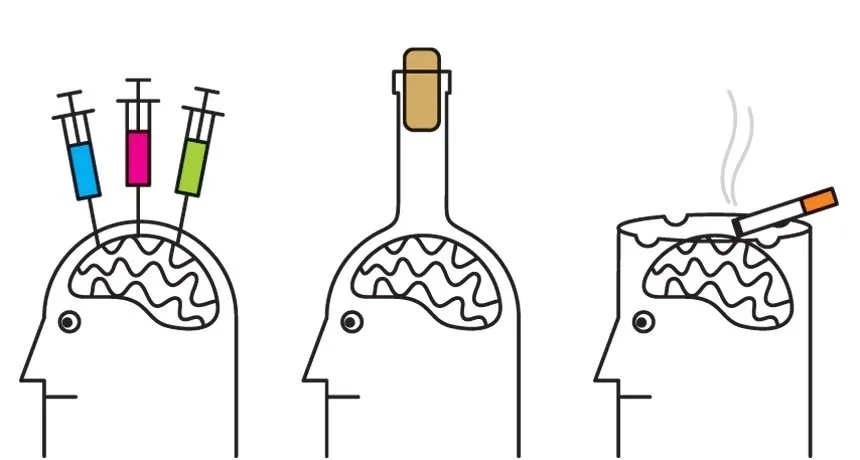
Addiction is more than drinking too much, smoking or taking too many drugs. It is about experiencing difficulty in controlling the amount of alcohol, tobacco or drugs consumed and the consequences, usually negative, that follow. Addiction is an umbrella term covering: dependence, substance use or certain behaviours, and all of the addiction related harms, which include physical and mental ill-health, family disruption, poor work performance, criminal activity, financial difficulties, neglect of child care responsibilities.
On this page…
Think of addiction in terms of:
DRUG - the drug and its pharmacological properties
SET - the person’s thoughts and beliefs about the drug and consequences of its use
SETTING - the personal and broader social context
How does availability contribute to addiction
If there is no drug there can be no addiction. It is well understood that prohibition is not the same as there being no drug, rather it creates an illicit market which is often associated with violent crime. That said, governments can, within limits, control the availability of potentially addictive drugs. For example, in the UK alcohol is controlled by restricting availability through limiting times and outlets and by unit pricing; opiates are controlled by being prescription-only medications. As a rule of thumb, the greater the availability of a substance, the more people will use it and the more people are likely to become addicted.
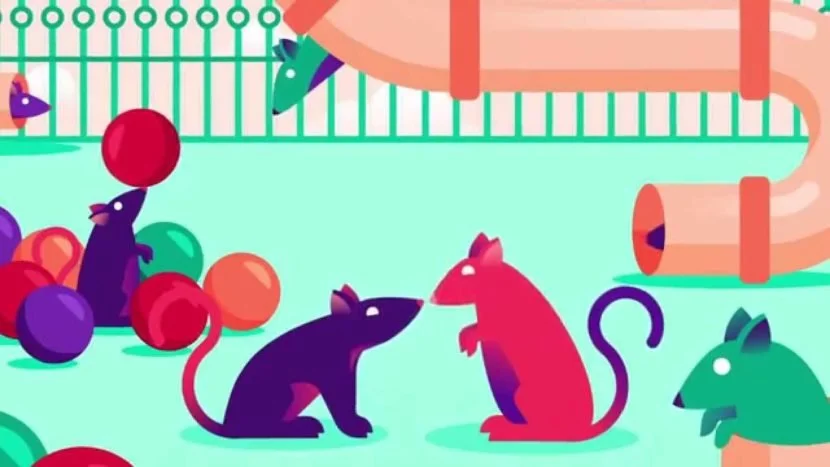
Watch this YouTube video of Rat Park illustrating the nature of addiction ►
Dependence refers to the relationship between the person and the drug or activity. It can be thought of as a 'strong habit' that is difficult to control. It is a psychological state which can be recognised when an individual becomes more preoccupied with substance use, spending more time drinking, smoking or taking other drugs, often at the expense of other important things.
What is dependence?
Understanding dependence
▶︎ Dependence is primarily a behaviour that people learn albeit that there may be serious physical consequences
▶︎ Behaviours, notably sex, exercise, gambling, mobile phone use have similar addictive potential to psychoactive substances and are referred to as behavioural addictions.
Watch this YouTube video by Pete Judo ►
Pete Judo is a Clinical Psychologist and YouTube educator
Probably the best measure of dependence on alcohol or drugs is the Leeds Dependence Questionnaire - LDQ. See how it works for TikTok dependence…
How do you become dependent?
It is all about rewards (psychologists call it reinforcement)
For someone to drink alcohol or take a drug repeatedly, and thereby become dependent, they have to get something out of it. There are two ways this can happen.
First, the person may simply like being intoxicated and like the sociability and lifestyle that goes with drinking or drug taking. They then continue use in order to maintain or strengthen those experiences.
Second, they may find that drinking or drug use provides relief from something unpleasant or distressing such as a mental health problem, trauma, poor housing or a generally rubbish life, and want to carry on in order to continue to avoid those negative experiences.
Withdrawal symptoms are an example of this latter point: when people start to experience withdrawal symptoms, they may think “I must carry on drinking or taking drugs in order to stop these withdrawal symptoms, or prevent them coming back.”
A note on terminology
Sometimes people talk about physical dependence as separate to psychological dependence. To avoid confusing terminology it is better to think of physical dependence under the umbrella term neuroadaptation which occurs as a result of the body’s response to regular and heavy use of some drugs.
The body starts to metabolise drugs faster and, more significantly, brain cells adapt and become less responsive to the effects of a drug. This is known as tolerance so that the body is now in a new equilibrium, meaning functioning normally, only in the presence of the drug. Once someone has developed tolerance, then suddenly stopping the drug upsets the new equilibrium and withdrawal symptoms follow.
For example, a heavy drinker adjusts to the depressant effect of alcohol (becomes tolerant) and when they stop drinking, the nervous system is no longer suppressed by alcohol and manifests symptoms such as racing heart-beat, sweating, hallucinations.
Other drugs, cocaine for example, do not have florid withdrawal symptoms and instead are thought of as having an abstinence syndrome. Equally, behavioural addictions do not have florid withdrawal albeit there may be some psychological reaction to stopping an addictive behaviour.
Physical manifestations
We have described why withdrawal symptoms are different to addiction. Withdrawal is better understood as a consequence of regular, heavy use of addictive drugs - a strongly learned trigger for continued drinking or drug taking and, therefore, an important feature of dependence.
The important point here is that not all addictive drugs and none of the behavioural addictions cause withdrawal symptoms, albeit there may be some anxiety symptoms in the face of abstaining. In short withdrawal symptoms are not an adequate explanation of addiction.
Psychological manifestations
We have defined dependence as a 'psychological state which can be recognised when an individual becomes more preoccupied with substance use, spends more time drinking, smoking or taking other drugs, often at the expense of other important activities'.
These thoughts and behaviours are separate from social constructs, such as legal status, cultural norms, or availability of a drug. Dependence can be confused with other mental health problems, especially anxiety and depression.
Alcohol and drug related harms
Addictive behaviours are stressful to maintain, expensive, and usually soul destroying. Unsurprisingly normal daily life is progressively eroded…

Things at home get neglected. Relationships with the rest of the family become tense and sometimes violent.

Money may become short and debts pile up or at least money spent on drink or drugs could have been better spent.

Work attendance becomes erratic, performance at work deteriorates as do relationships with workmates.

Getting enough drink or drugs is top priority and if there is insufficient money to buy them they are procured through crime.

Many people drink and take drugs without obvious harm. However, concerns about current problems or long term health are typical reasons for seeking help…
For some individuals harm reduction might be all that they wish for. They want to carry on drinking or taking drugs but want to do so as safely as possible and without the harms.
For practitioners the story is different - the clue is in the name: 'harm' and 'reduction'. For anyone helping someone with a drink or drug problem then the ambition might be more than harm reduction even if this turns out to be unachievable.
Social and socioeconomic disadvantage increase the risk of harmful drinking or drug use and dependence, which often lead to adverse consequences such as poor physical or mental health, offending or risky sexual behaviour, which in turn lead to more social disadvantage.
For the socially advantaged, social capital both imposes some controls on their drinking or drug taking and reduces risk.
Alleviating adverse social conditions is, at one level, a matter of government policy, but it can also be a focus for harm reduction at an individual level: for example providing basic needs such as housing or shelter, food, access to health care. At government level some policy decisions can have a direct harm reduction benefit: decriminalising drug use for example.
Addiction is associated with a number of mental health problems. The relationship can be difficult to unravel as mental health problems can be both a cause and an effect of substance use.
People drink or take drugs to be intoxicated. There is no simple cutoff point between pleasurable and harmful intoxication. The risk of harms generally increases with the amount consumed. Accidents of all kinds are associated with intoxication regardless of the drug...
Harms from intoxication

Intoxication tends to remove normal social constraints resulting in gross behaviours, albeit the behaviours are unintentional and later regretted. Behaviours are typically sexual, aggressive or emotionally over expressive.
An overdose may be accidental or intentional. The consequences depend on the drug taken and the circumstances. The situation may be chaotic but taking drugs with others is always safer than taking them alone, and opioid users can take the added precaution of having naloxone available.
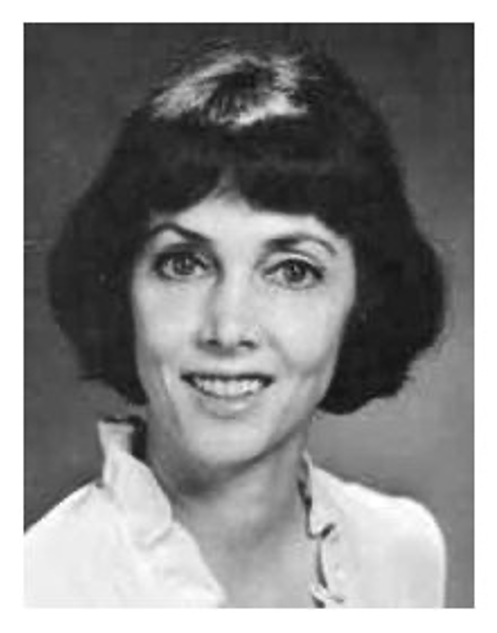
A salutary example of accidental overdose was Marcia Moore. After injecting all the ketamine she had, she disappeared in 1979 – her body was found two years later frozen in a tree. The drug numbed her to any sense of pain and any sense of danger and there was nobody with her to get help.
Harms from injecting
Any drug can be injected if it can be made soluble. If it is not wholly soluble, blood vessels will get clogged up. Injecting into a vein makes the drug effect immediate and maximised; the drug does not pass through the liver where much of it would be destroyed. Injecting into muscle or under the skin produces a slower and less intense effect.
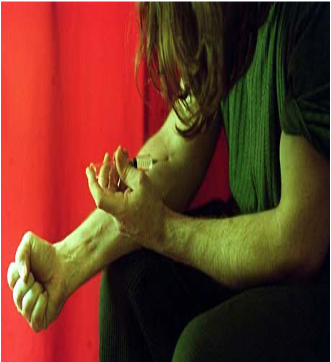
The environment where someone injects is often unclean and messy and so the risk of infection is high. Users may introduce blood borne viruses or bacteria into their blood stream or cause abscesses at the injection site.
Repeated injection into a vein commonly leads to damage of the blood vessel - clots may form and impair blood flow or emboli break off into the circulation. Injecting into the groin is risky because a main artery and nerve are close to the vein and may inadvertently be damaged.
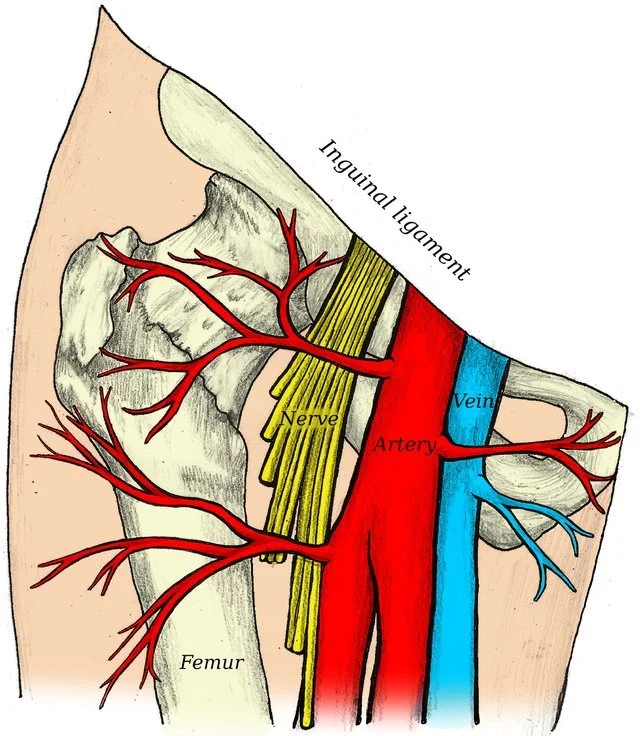
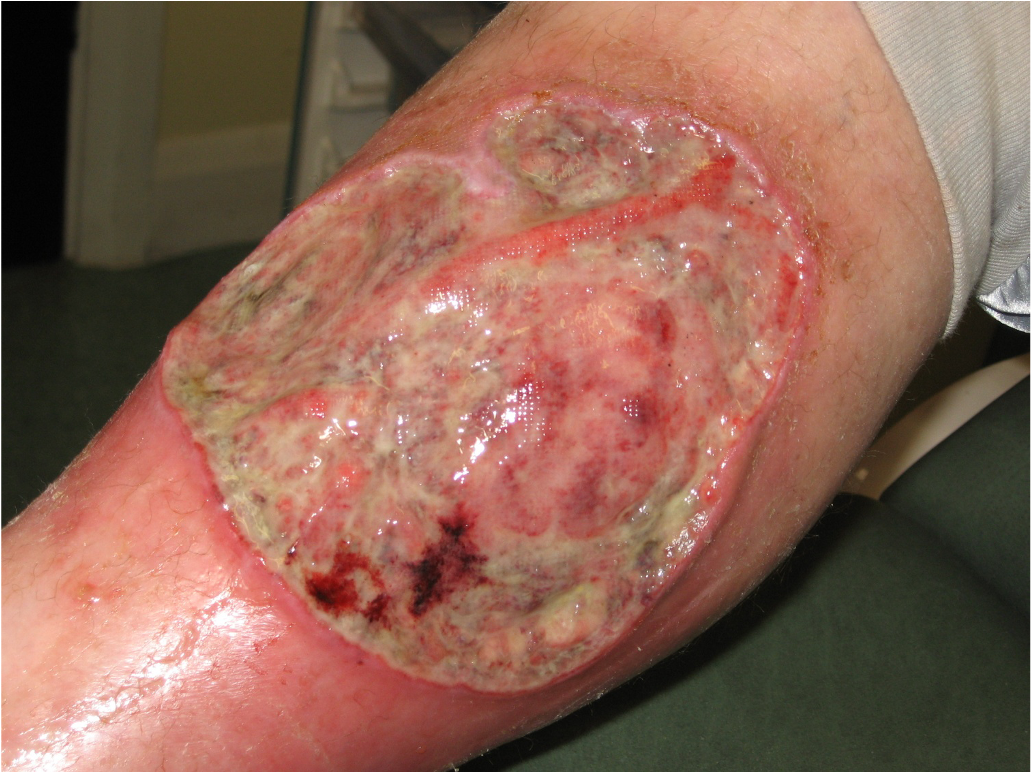
Injecting into an artery may cause local bleeding and tiny aneurisms (ballooning of the artery). Impaired blood flow may lead on to ulcers (usually leg).
Harms from smoking and vaping
Not all drugs are suitable for smoking. Most common are nicotine, cannabis, and some forms of heroin and cocaine. As with injecting, smoking is a very effective way to take drugs. Harm is done by inhaling toxins: tar, carbon monoxide, benzene, arsenic and formaldehyde.
Smoking causes heart and lung disease. It causes inflammation in the lungs, bronchitis and pneumonia, which produces fluid which may then get infected. The inflammation can become chronic causing a cough and sputum.
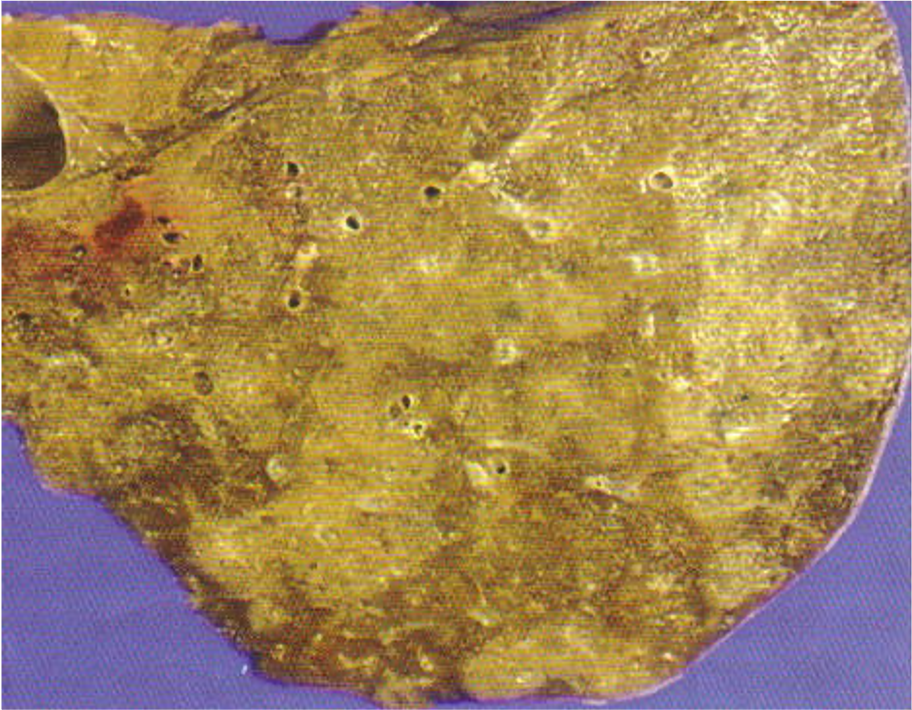
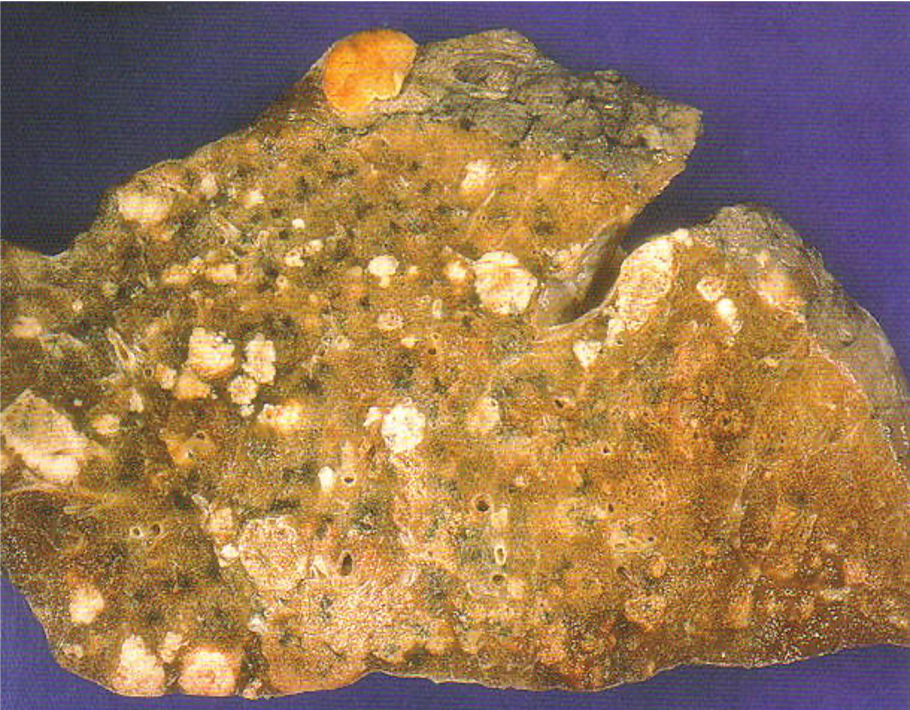
Pneumonia The lighter areas are an infection filling the lungs with fluid making breathing difficult.
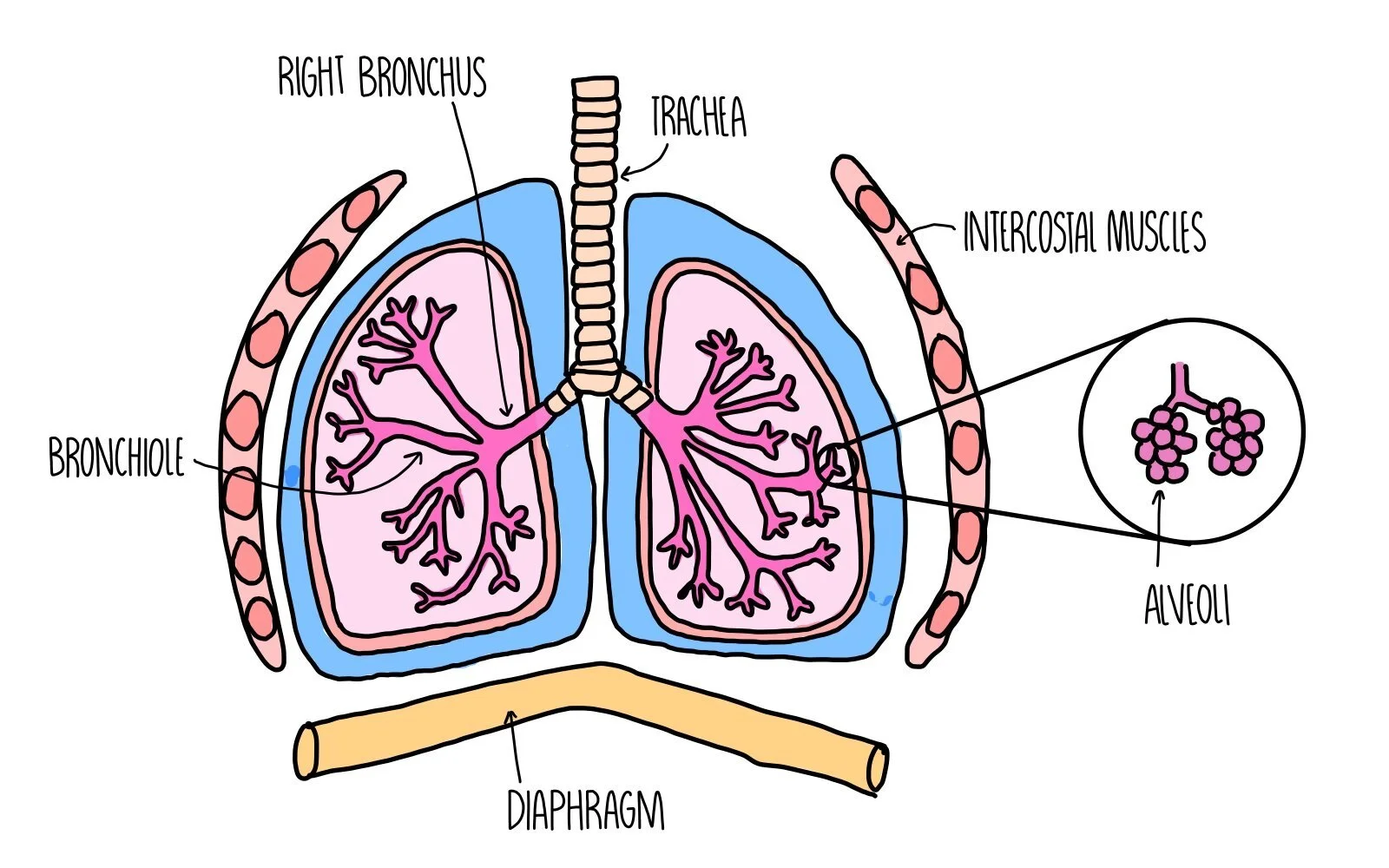
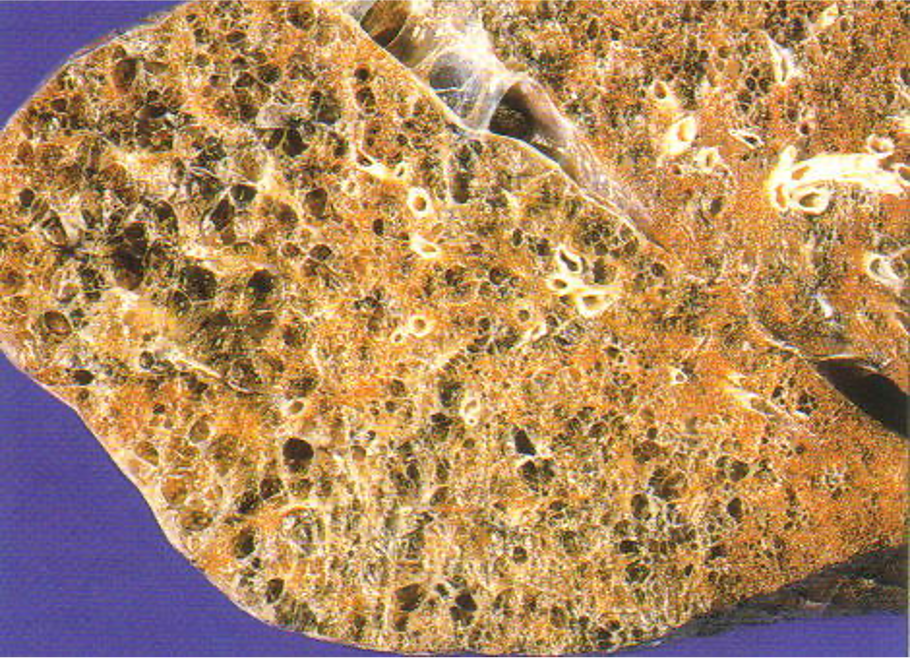
Emphysema The alveoli (see diagram) fill with pus and break down to form a honeycomb which reduces the surface area.
Cancer Multiple metastatic carcinoma (the white areas) in lung tissue, which eventually consume the lung tissue.
Harms from cannabis
Health and social harms associated with cannabis use are more likely if regular use begins in adolescence, a time when the brain is still developing. Increased frequency of use and use of high-potency cannabis are also associated with a greater risk of health and social harms.
When cannabis is smoked mixed with tobacco it can bring with it the health risks associated with tobacco use and with nicotine dependence (see previous section). Cannabis dabbing, which refers to the inhalation of very concentrated THC, has been linked to acute toxicity.
When used during pregnancy and while breastfeeding, cannabis may have adverse effects on the health of newborns, as well as longer-term developmental effects in children and adolescents. Cannabis edibles may pose a greater risk of causing severe intoxication and may be accidentally consumed by young children attracted to products such as sweets and chocolate.
Cannabis and brain function
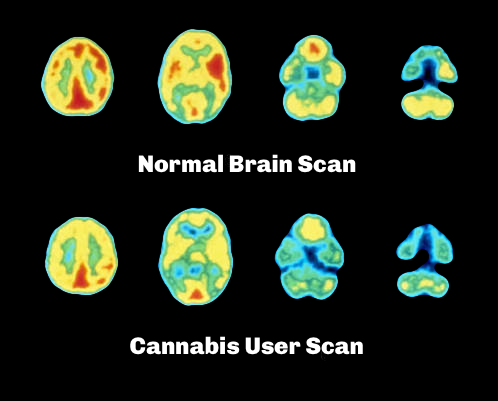
Cannabis can have a significant impact on brain function. Cannabis use is frequently reported by people with psychosis, and psychotic conditions are more frequent in people who use cannabis than in the general population. Additionally, associations have been established between the use of cannabis and developing anxiety and depression.
The impact of cannabis use on cognitive functions is less clear, however, a number of studies have identified associations between cannabis use and cognitive decline such as deficits in memory, verbal learning, attention, and social functioning. Cannabis impairs the ability to drive and operate machinery and increases the risk of falls and other accidents.
Potent synthetic cannabinoids
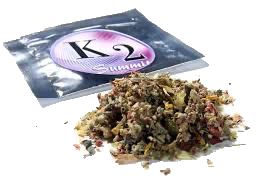
Many people experience unpleasant and unpredictable effects and health risks after taking synthetic cannabinoids. This includes:
inability to move
dizziness
breathing difficulties
chest pain
heart palpitations
seizures
extreme anxiety
paranoia
suicidal thoughts
psychosis
gastrointestinal issues – like vomiting or diarrhoea
acute kidney injury
The toxic effects of these cannabinoids can be fatal.
Harms from alcohol
There are a host of related harms: mouth and throat cancer, oesophageal cancer, colon and rectum cancer, liver cancer, female breast cancer, diabetes mellitus, pancreatitis, depressive disorders, epilepsy, hypertension, heart disease, stroke, pneumonia and tuberculosis, cirrhosis of the liver, birth complications and foetal alcohol syndrome.
Alcohol affects the normal functioning of the gut so that digesting, absorbing and processing nutrients is disrupted and can result in nutrient deficiencies. Heavy drinkers commonly have deficiencies which can cause serious neurological disorders including Wernicke-Korsakoff's psychosis, seizures, confusion, dementia, depression, lethargy, muscle weakness and numbness.
The key nutrients affected include thiamin (B1), pyridoxine (B6), vitamin B12 and folate, riboflavin (B2), nicotinic acid (B3), vitamin A, magnesium, calcium, potassium, zinc.
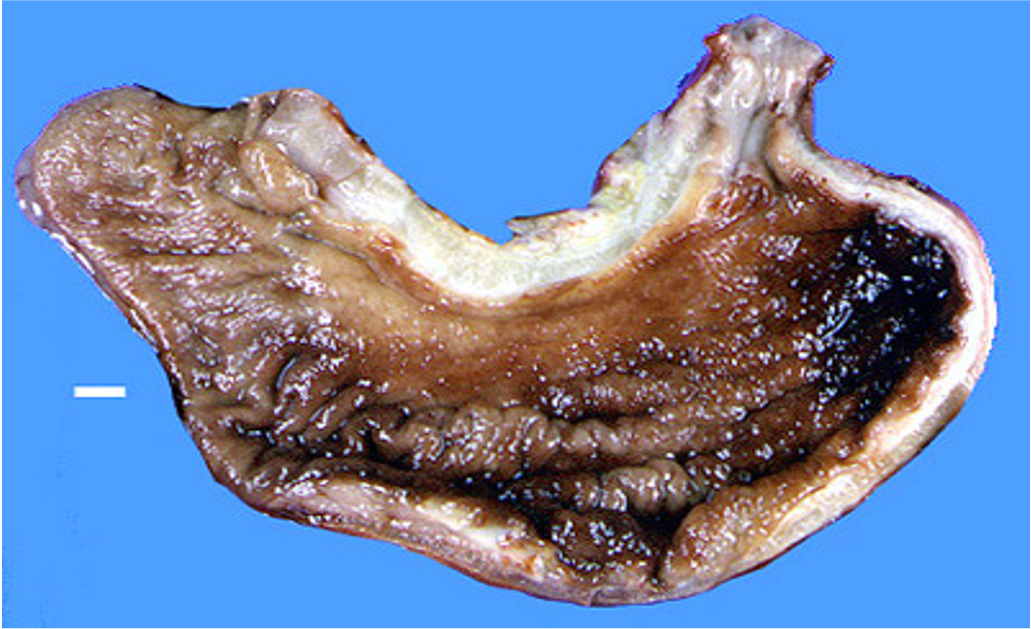
Alcohol causes inflammation in the stomach, gastritis, which may cause bleeding and lead on to…
Stomach ulcers are typically <4cm diameter, round, and sharply punched out lesions which cause a puckering of the normal gastric folds. The ulcer may perforate the stomach.
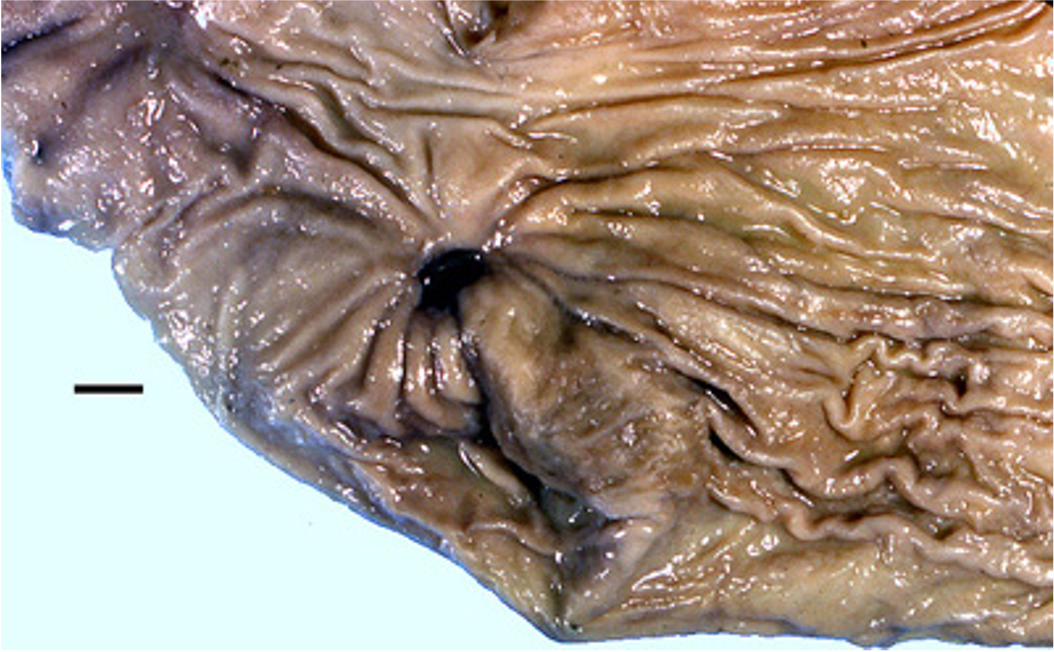
Gastric carcinoma, the thickened white walls of the stomach, is also a cause of nutritional deficiencies but symptoms are slow to develop and the cancer may go undetected.
Blood draining from the whole length of the gastro-intestinal tract passes through the liver. This is called first pass metabolism where much of a drug taken by mouth will be destroyed. Injecting, smoking and snorting circumvents this loss of drug.
If there is obstruction in the liver eg from cirrhosis then a back pressure builds up which can manifest itself as varices. These are swollen and fragile veins which can rupture and bleed into the throat.
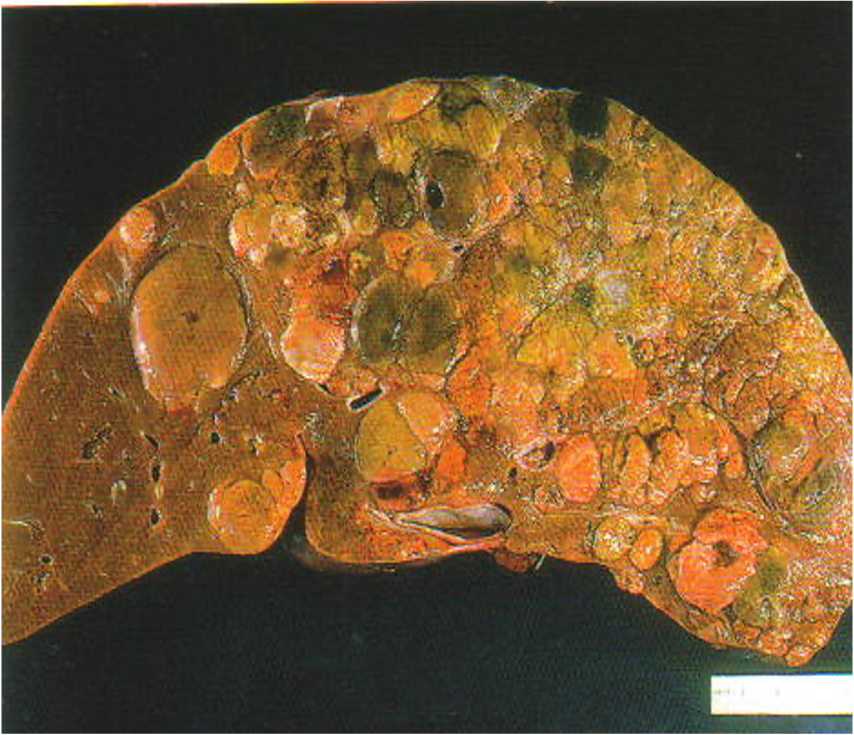
Normal liver is smooth and a rich purplish red colour. Alcoholic cirrhosis is characterised by fibrous bands scarring the liver and causing disorganisation of the normal structure. The liver tissue regenerates in the form of nodules.
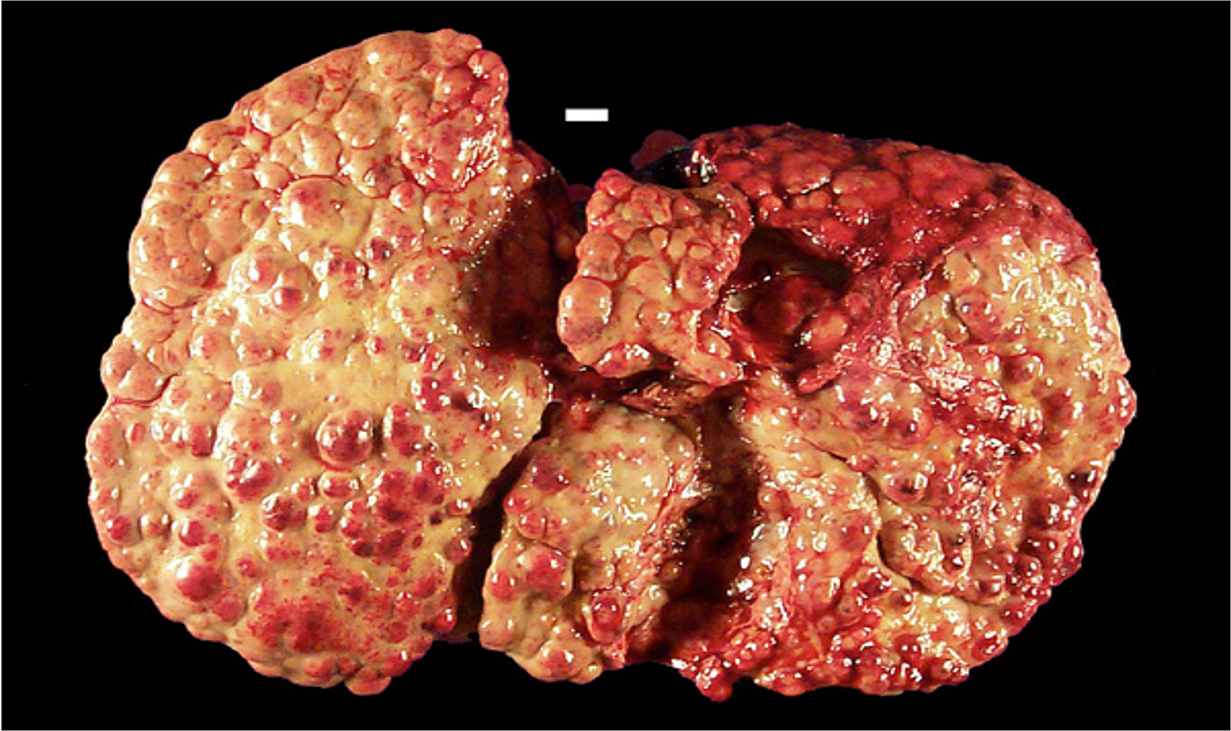
Alcohol may cause hepatitis and as shown here a large, irregular, poorly circumscribed cancer (upper centre). Multiple metastases radiate outward from the main tumour.
Regularly drinking alcohol can contribute to weight gain and obesity, which increases the risk of heart disease, stroke, type 2 diabetes, and many cancers. One gram of alcohol yields 7kcal, compared with 9kcal per gram for fat. This means a 175ml glass of wine contains approx. 160kcal and a pint of beer approx. 220kcal.
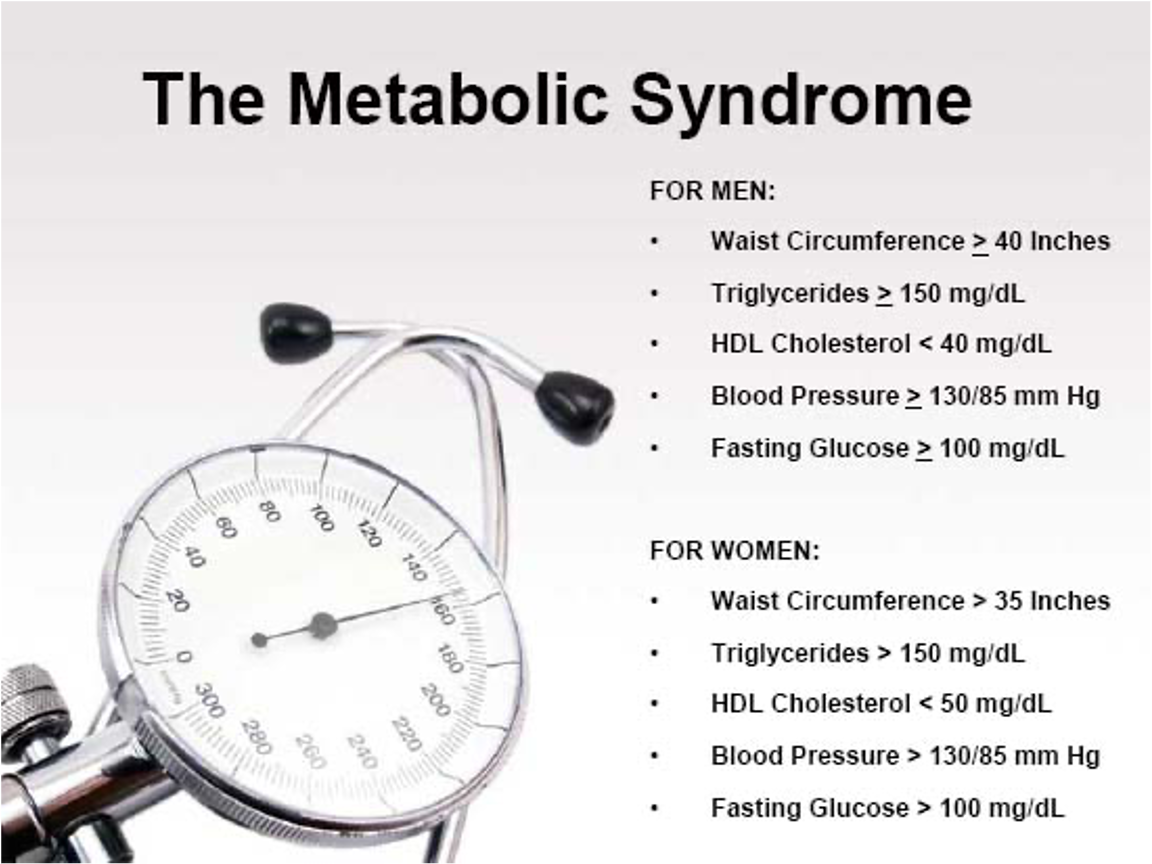
Alcohol, in common with some anti-psychotic drugs, gabapentin, some antidepressants and over eating, can cause a harmful disorder called the Metabolic Syndrome...

Regular drinking is a factor in causing high blood pressure (hypertension). The first picture shows a normal heart. The second shows a heart which has very bulky heart muscle (hypertrophy) - a response to high blood pressure - it is an ineffective pump. The third picture is of a heart weakened by alcohol (cardiomyopathy) which is likely to fail completely.
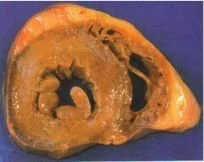
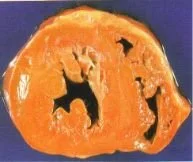
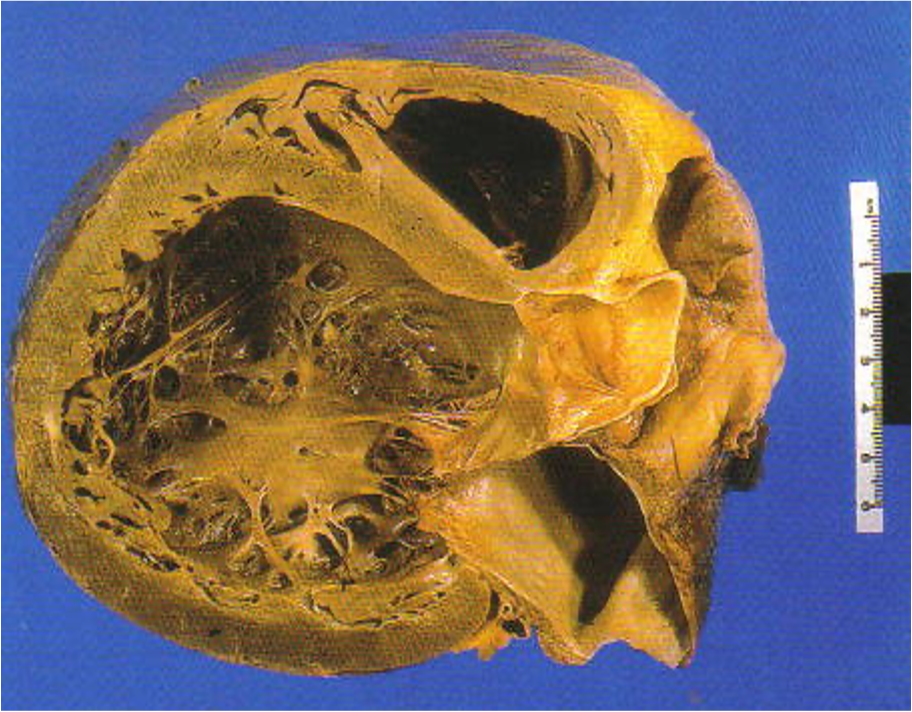

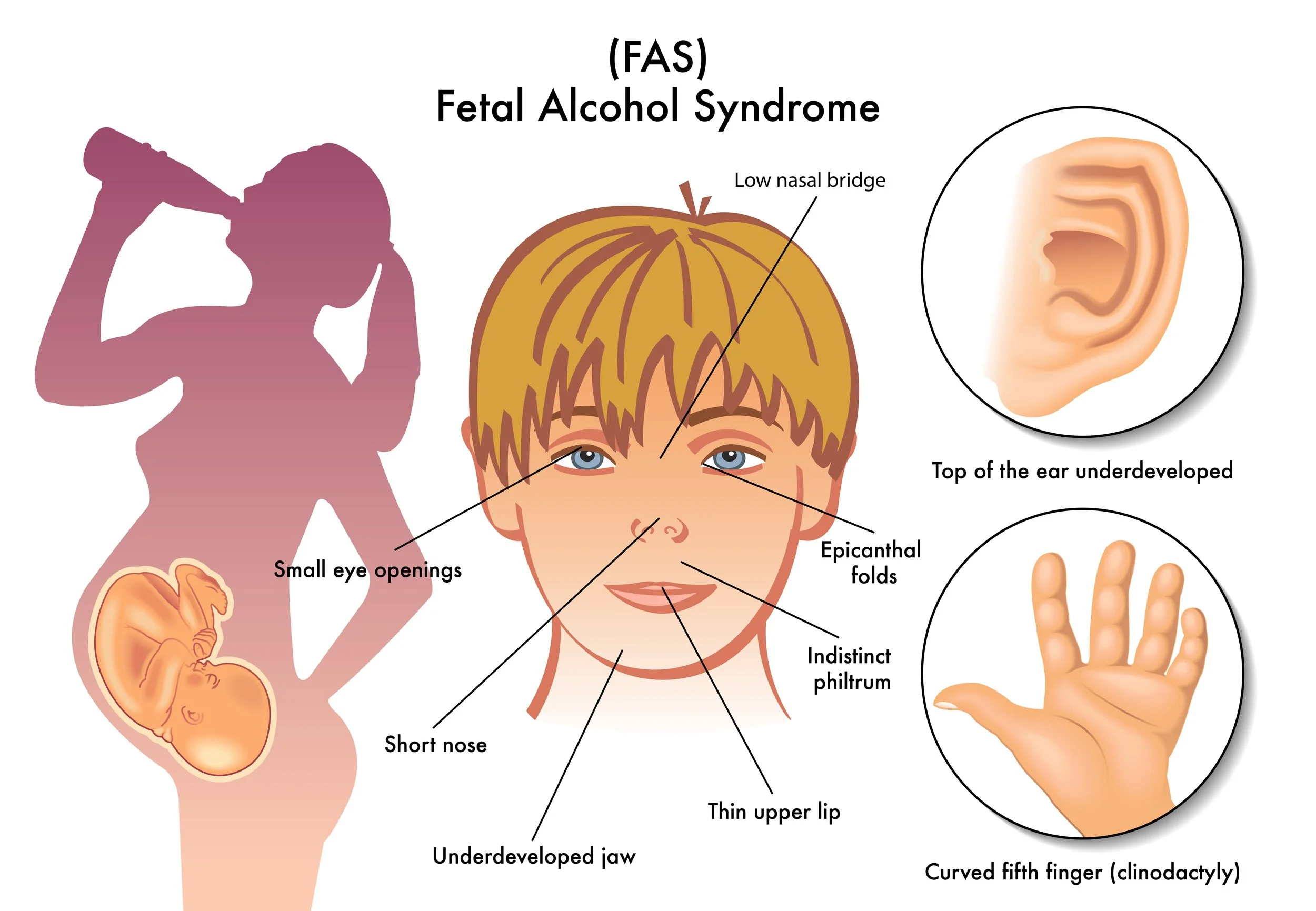
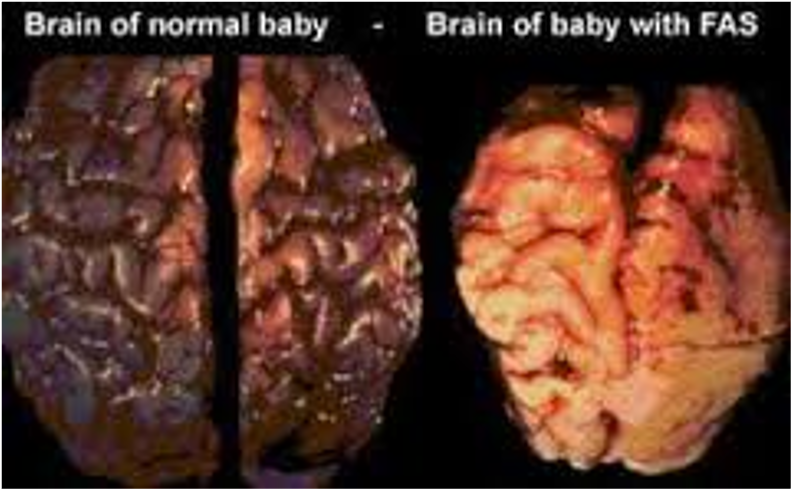
Pregnancy is a time to avoid alcohol. Alcohol is toxic to the foetus and exposure during pregnancy may cause foetal abnormalities...
Impaired muscle coordination
Distinctive facial characteristics
A broad spectrum of impaired brain function: cognitive development, language skills, memory function, difficulty with attention and concentration, over-activity, poor impulse control, poor emotional control
Poor levels of academic achievement
Impaired social skills, and social communication
Even at the mild end of the spectrum these children may be viewed as 'odd' by their peers and tend to struggle socially.
Harms from opioids
Heroin and other opioids are powerful pain killers used in medicine and, therefore, safe in this application.
Harms come from injecting or taking an overdose.
Nitazines are are synthetic analgesics developed in the 1950s but considered too potent for clinical use. Fentanyl is 50x more potent than heroin and etonitazine is 500x more potent and so the risk of fatal overdose is high especially as these drugs are often mixed with other depressants. Although structurally different to opiates nitazines bind weakly to opiate receptors and can be displaced by naloxone.
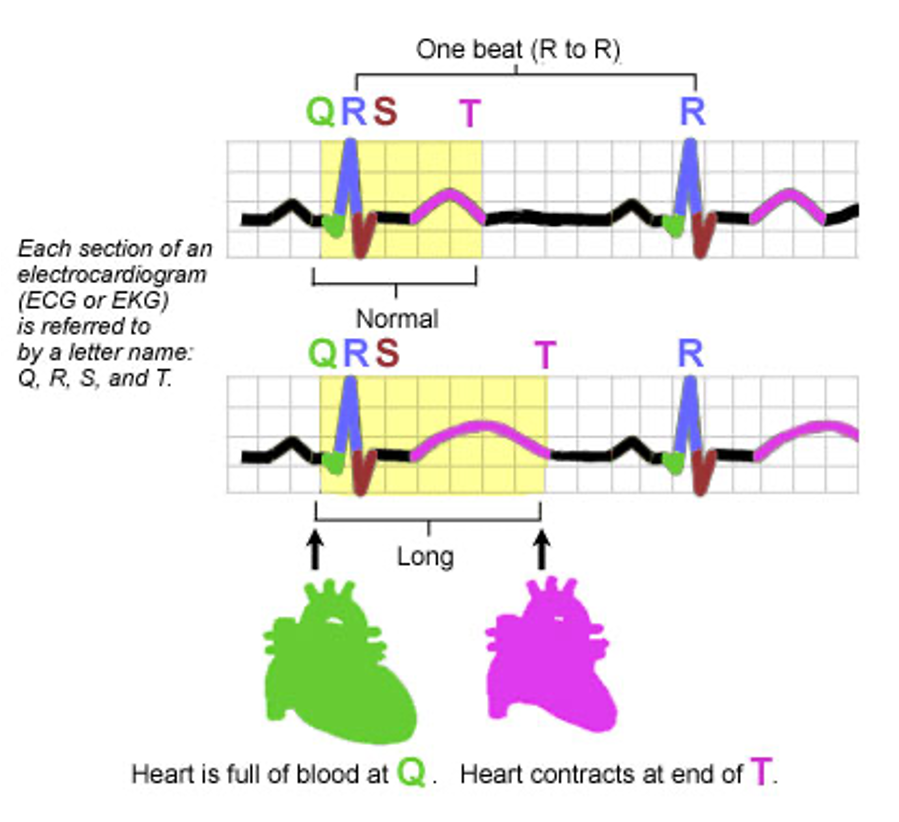
Methadone, in common with several other drugs, can cause an abnormality of heart beat which results in dizziness, fainting and rarely sudden death. This is due to a prolongation of the QT interval as seen on an electro-cardiogram (ECG). When this happens the heart muscle is still recovering from the previous beat when it receives a signal to beat again - in this state it is unable either to beat at all or to beat at full strength.
Harms from stimulants
Stimulants, perhaps more than any other class of drug, come in very different potencies, different methods of use and different social acceptabilities.
They are all appetite suppressants and cause high blood pressure. They cause insomnia and an abstinence syndrome, including nightmares and depressed mood.
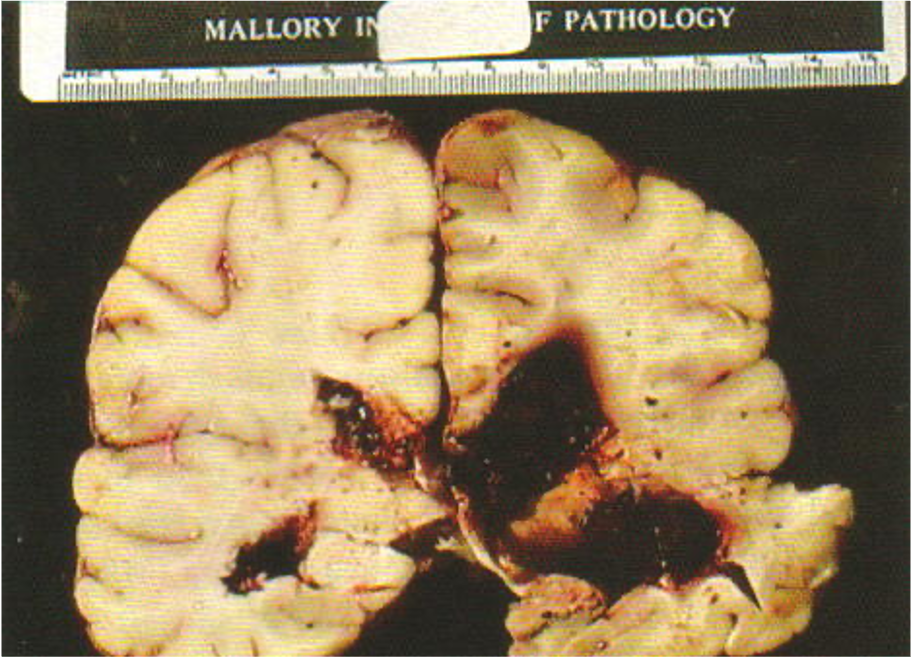
Potent stimulants, cocaine and amphetamine, may cause mental health problems and are risky for anyone with high blood pressure or a heart condition, but even healthy young people can have a fit, heart attack or stroke after using stimulants.
The picture shows a massive and fatal bleed into the brain of someone who took too much amphetamine.
Cocaine use, particularly in the first trimester, increases the risk of spontaneous abortion (miscarriage) and foetal death, or premature delivery leading to other complications. Babies may exhibit irritability, tremors, muscle stiffness, poor feeding, and trouble sleeping shortly after birth.
Reported abnormalities include malformations of the brain, skull, heart, limbs, intestines, and urogenital tract (eg kidney or genital anomalies).
Harms from psychedelics
Hallucinogenic drugs, such as LSD or psilocybin, do not cause any physical health problems. In susceptible people a psychotic mental illness can be triggered and for some people 'flashbacks' that are unwanted recurrences of the drug experience, can be distressing.
Dissociative drugs such as ketamine expose a person to accidents or being hurt by others and cause a profound disturbance of mental functioning - confusion and paranoia.
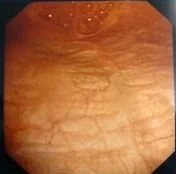
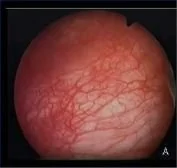
Ketamine can cause serious bladder problems, with the urgent and frequent need to urinate. This can be very painful and the urine can be blood-stained.
The top picture is of a normal bladder. Below is a ketamine inflamed bladder which will, over time, shrink as the inflammation turns to fibrous tissue. The damage can be so serious that the bladder needs surgical repair or even removal.
Abdominal pain, sometimes called ‘K cramps’, have been reported by people who have taken ketamine for a long time.