
About Helping
-

Family and Friends
You cannot over estimate the importance of a trusted friend to someone who needs help…
-

Effective People
Some addiction practitioners are more effective than others. Who will make things better, who will make things worse…
-

Effective Places
The culture of a service is as important as the interventions it offers. Which agencies make things better…
-

What works: 12-steps and mutual aid
The approach has stood the test of time. No other intervention has such effectiveness and freely available accessibility.
Just for practitioners…
-
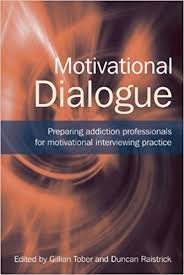
What works: motivational dialogue
Whatever intervention practitioners or family and friends might be doing it is important to use a motivational style of conversation…
-

Take-home tasks
Take-home tasks are one of the most important vehicles for change. Service users can do them in their own time and in their choice of place.
-

Appraisal tools
Practice supervision is an essential part of clinical governance. On this page practitioners can check out their therapy skills.
-

CPD modules
Lifelong learning is the key to maintenance of good practice. There are four CPD modules to explore.
-

What works: iSBNT
Manual led treatment, such as iSBNT, provides structure without constraining the practitioner’s personal style…